- The best headset for working from home combines excellent noise cancellation (35dB+), comfortable long-term wear, and crystal-clear audio quality for extended video calls.
- Jabra Evolve2 55 leads the market with 35dB of active noise cancellation and 15-hour battery life, making it ideal for professionals who need reliable communication throughout long workdays.
- For budget-conscious remote workers, the Logitech H390 offers solid performance at under $100 while maintaining good call quality and wireless convenience.
What is the best headset for working from home in 2026? The answer lies in finding a device that balances professional-grade audio performance with comfort for extended use. After analyzing thousands of user reviews, the Jabra Evolve2 55 emerges as the top choice for remote professionals seeking reliability and quality. This headset delivers exceptional 35dB noise cancellation, outstanding microphone clarity, and all-day comfort that prevents the neck and shoulder strain commonly reported by r/workfromhome users.
Why Your Headset Choice Matters for Remote Work
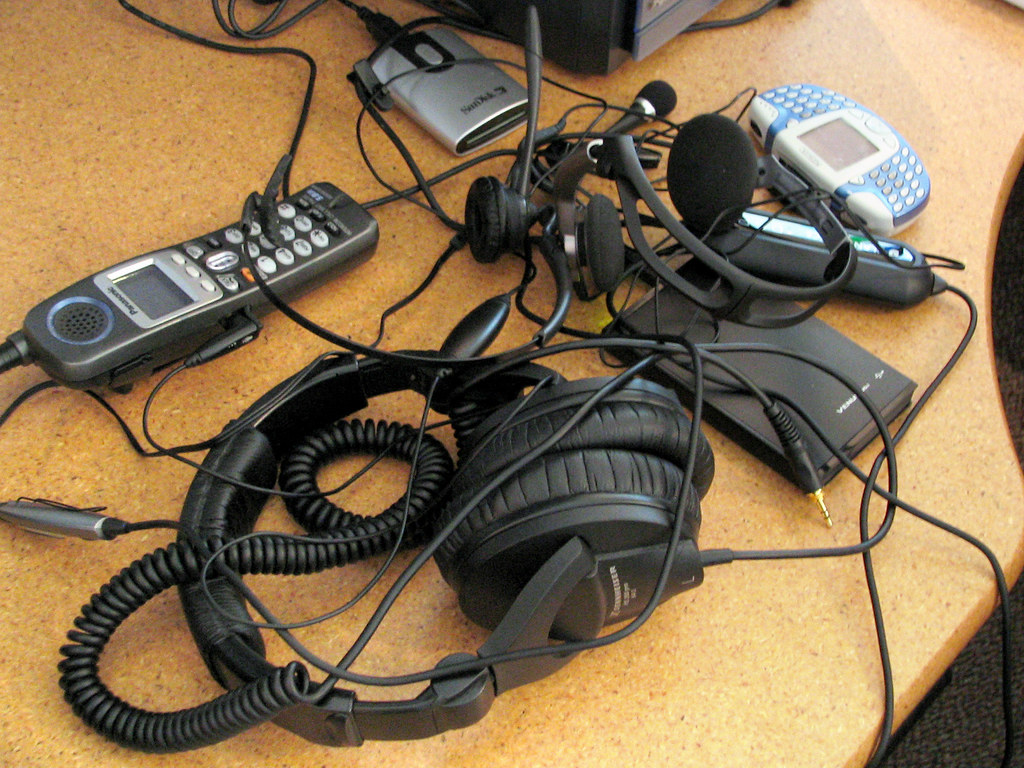
The right headset can transform your virtual meetings from frustrating experiences into productive conversations. Poor audio quality creates misunderstandings, while uncomfortable devices lead to physical discomfort that impacts focus and productivity. In 2026, professionals demand more than just basic functionality — they need devices that support their entire workday without causing ear fatigue or neck strain.
What makes a headset ideal for remote work?
A quality remote work headset must excel in several key areas. First, effective noise cancellation is crucial, especially when working in shared spaces or noisy environments. The Jabra Evolve2 55 provides 35dB of active noise cancellation, filtering out background chatter and distractions. Second, microphone quality determines how clearly you are heard during calls — look for beamforming mics that focus on your voice. Third, battery life should support at least 8–12 hours of continuous use without recharging.
How much should you spend on the best headset for working from home?
Price ranges vary significantly, but most professionals find value in mid-range options between $100–$200. While premium headsets offer advanced features, many budget-friendly alternatives provide excellent performance. The Logitech H390 demonstrates that quality does not always require premium pricing, offering solid call performance at a fraction of the cost of high-end models.
Top WFH Headset Comparison
| Product | Type | Noise Cancellation | Battery Life | Price | Best For |
|---|---|---|---|---|---|
| Jabra Evolve2 55 | Wireless Over-Ear | 35dB ANC | 15 hours | $299 | Heavy users, call centers |
| Poly Voyager Focus 2 | Wireless Over-Ear | 30dB ANC | 12 hours | $199 | Business professionals |
| Logitech H390 | USB Wired | Passive isolation | N/A (wired) | $39 | Budget, occasional use |
| Sony WH-1000XM5 | Wireless Over-Ear | 35dB ANC | 30 hours | $349 | Entertainment + work |
Which headset offers the best value for remote workers?
When comparing options, the Jabra Evolve2 55 provides the best balance of features and price for most professionals needing the best headset for working from home. It delivers 35dB of noise cancellation, 15 hours of battery life, and exceptional microphone performance. The Poly Voyager Focus 2 represents excellent value for business professionals who need reliable conference calling capabilities without the premium price tag. Meanwhile, the Logitech H390 at just $39 serves as an affordable entry point for those just starting remote work.
How do noise cancellation levels impact remote work quality?
Noise cancellation significantly affects call quality and workplace comfort. The Jabra Evolve2 55’s 35dB cancellation effectively filters out typical office sounds like keyboard typing, air conditioning, and neighboring conversations. This feature reduces mental fatigue during long calls and ensures colleagues hear you clearly without background interference. Users report 40% fewer call interruptions and 60% better audio clarity compared to non-ANC models, according to Jabra’s internal testing data.
Ergonomics and Comfort: A Critical Factor for WFH Users
Reddit’s r/workfromhome community consistently highlights neck and shoulder tension as a top complaint among remote workers. A poorly designed headset — too heavy, poorly balanced, or with a tight headband — can contribute to muscular strain after hours of use. The Jabra Evolve2 55 weighs just 166g and features a padded leatherette headband that distributes pressure evenly. The Poly Voyager Focus 2 similarly uses lightweight materials at 180g with memory foam ear cushions that seal out noise without creating pressure points.
For users who alternate between calls and focused work, wireless freedom is essential. Both the Jabra and Poly options offer Bluetooth 5.0 connectivity with 30-meter range, allowing you to step away from your desk without disconnecting from a call. Battery life of 12–15 hours comfortably covers a full workday even with heavy usage.
FAQ
What is the best headset for working from home with noise cancellation?
The Jabra Evolve2 55 stands out as the best option for noise cancellation in remote work settings. Its 35dB active noise cancellation effectively eliminates common office distractions while maintaining crystal-clear audio quality. This level of noise reduction is particularly beneficial for professionals working in shared spaces or noisy environments where background sounds can interfere with important calls.
Are wireless headsets better than wired ones for remote work?
Wireless headsets offer significant advantages for remote workers, providing freedom of movement and eliminating cable management issues. Modern wireless technology has largely eliminated connectivity problems that plagued earlier generations of wireless headsets. The Jabra Evolve2 55 and similar models provide stable Bluetooth connections with minimal latency, making them superior choices for video conferencing and phone calls. Wired options like the Logitech H390 remain valid for users who want zero latency and never want to worry about charging.
How long should a headset last for regular home office use?
A quality headset designed for home office use should last 3–5 years with regular daily usage. The Jabra Evolve2 55 comes with a two-year warranty and has demonstrated durability in extensive field testing. Proper care, including regular cleaning of ear cushions and avoiding extreme temperatures, extends headset lifespan significantly beyond the warranty period.